How we grow vegetables
Diversity
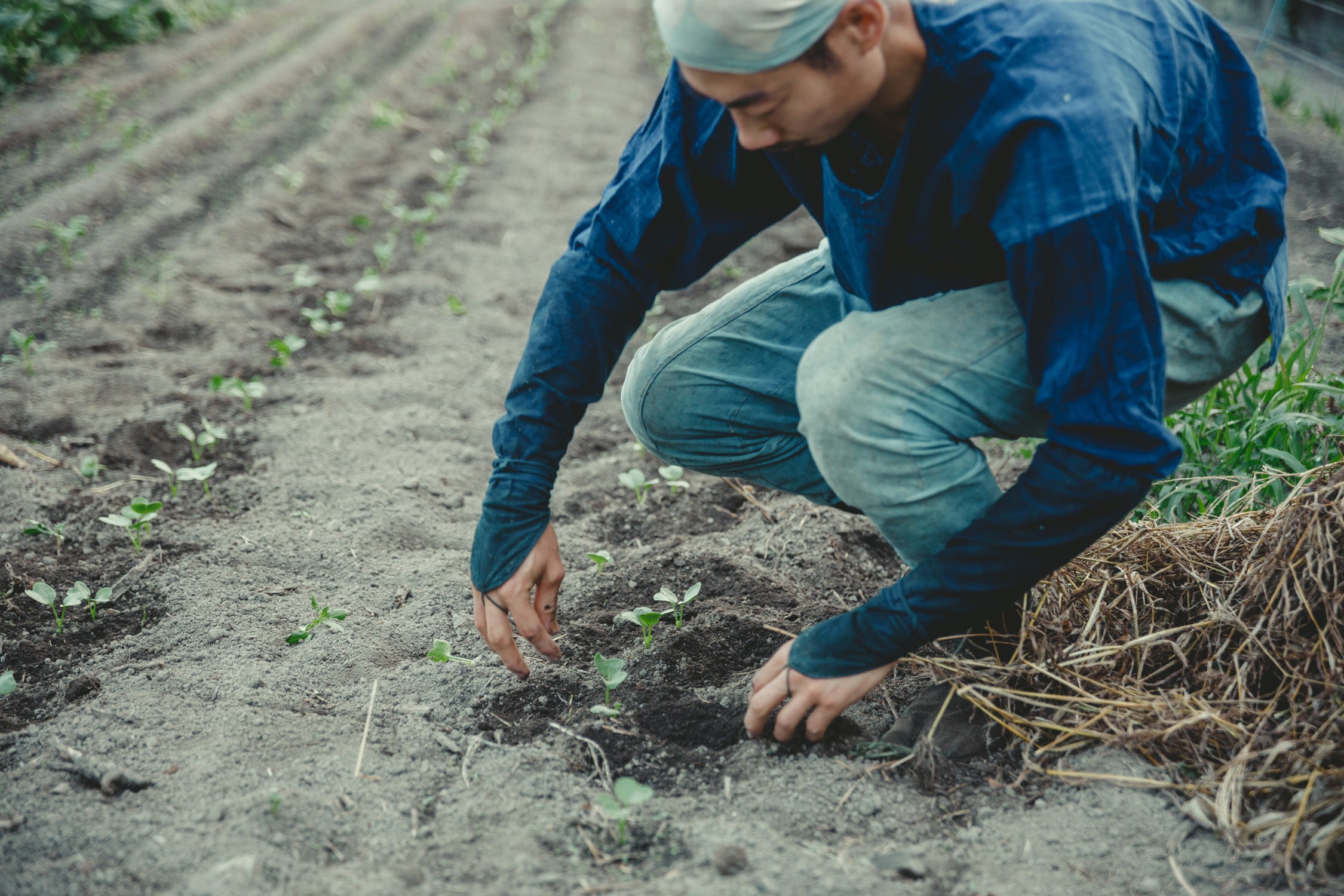
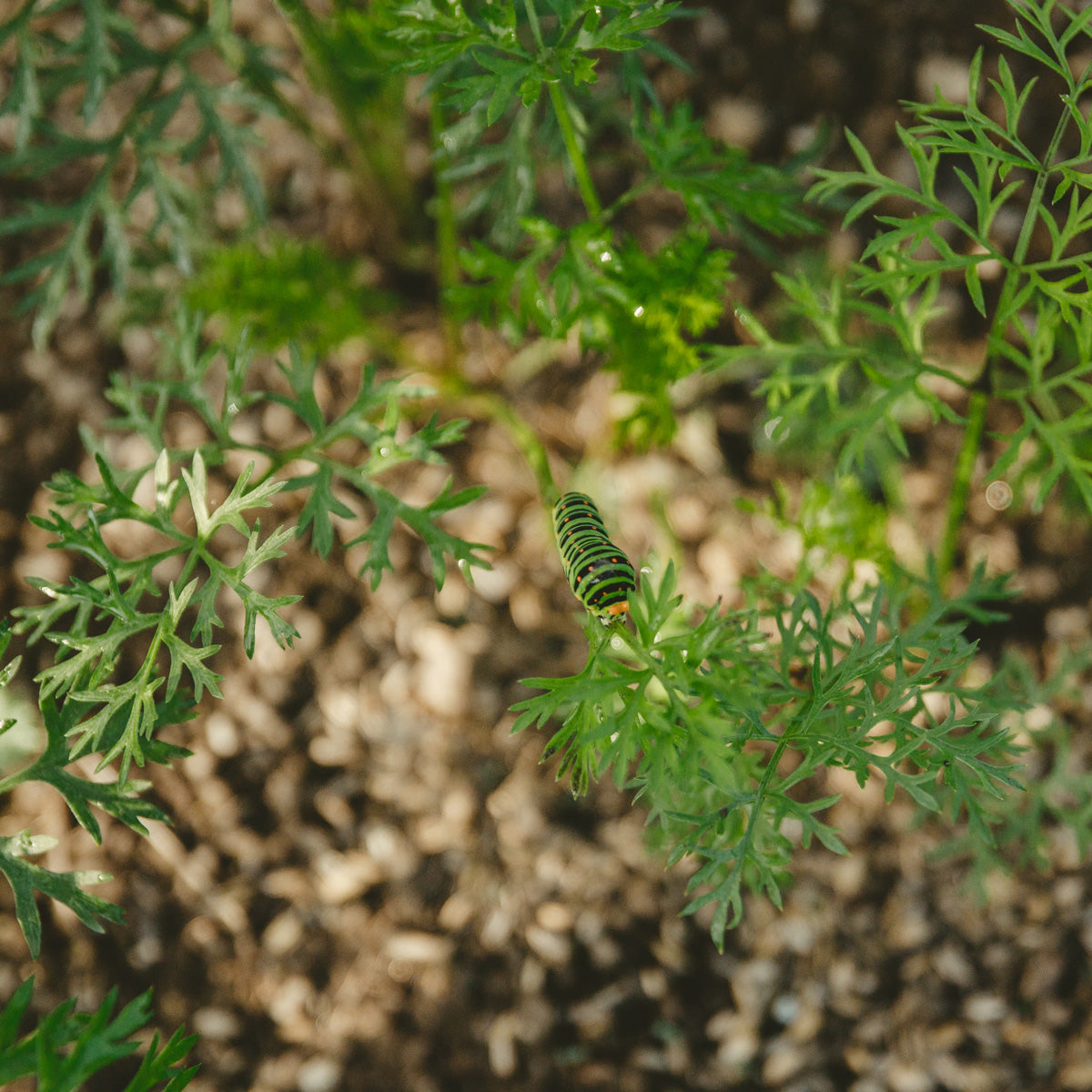
Natural ecosystems are made up of a huge variety of living creatures, both visible and invisible. Each creature has a completely different form and role to play, and so they sometimes attack each other and sometimes coexist. This "instability" and imperfect "fluctuation" prevents any one species from multiplying too much, and creates "stability" where various creatures can settle in places that are easy for them to live, using their own methods. Even fields created in nature for human convenience can create a diverse environment by being as close as possible to the mechanisms of nature.
By growing a variety of crops and allowing grass to grow in areas that can coexist with the crops, living creatures will gather, and sometimes insects and pathogens that pose a threat to the vegetables will also come.Even in such cases, by not relying on medicines, the vegetables' own immune system will be able to be exerted, resulting in strong, nutritious vegetables.
We will work on growing vegetables that are simple yet profound, by "recreating nature."
Circulate plant resources within the region
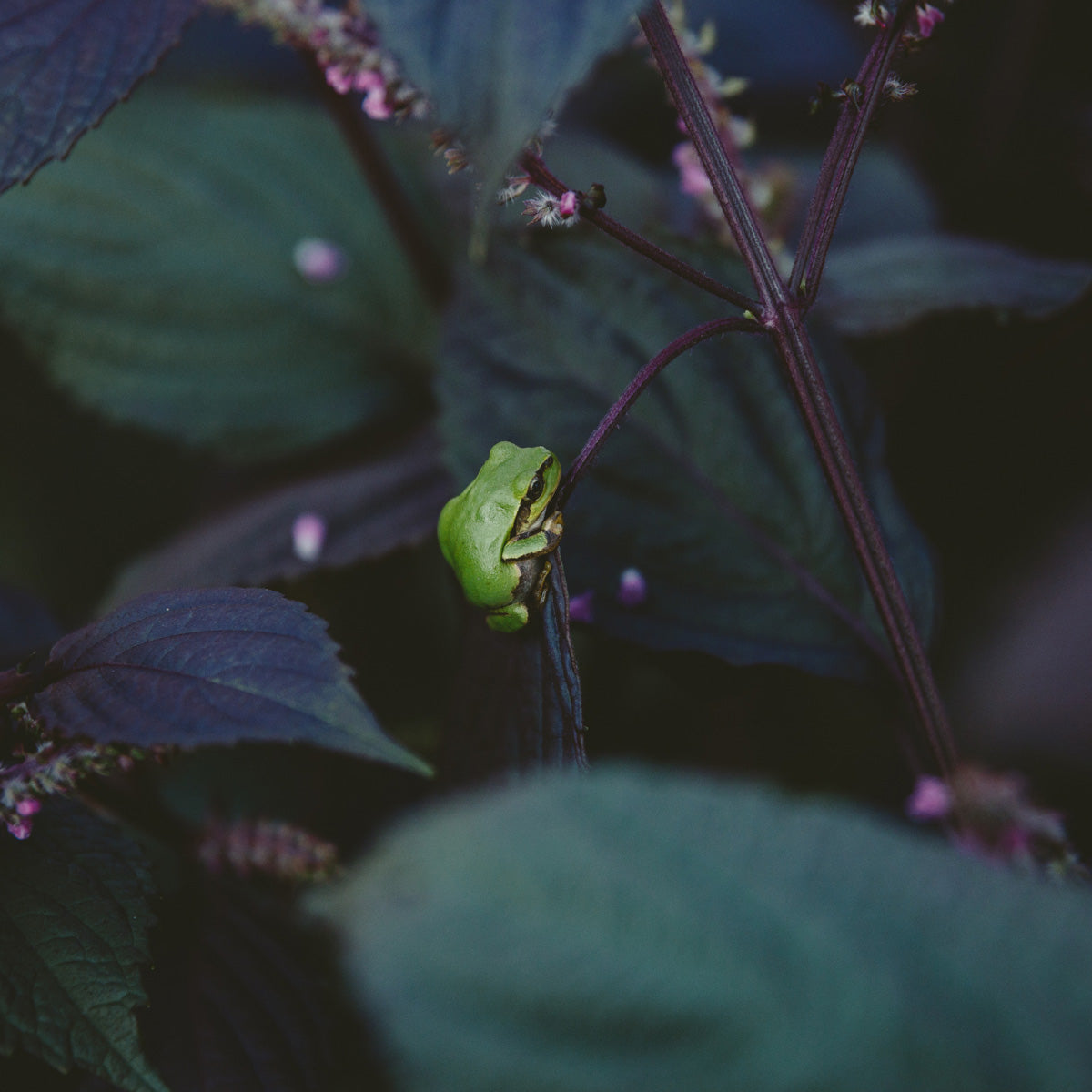
No country is as blessed with plant and animal diversity as Japan. Plants thrive vigorously in Japan's warm, humid climate throughout the changing seasons, sometimes treated as nuisances when they grow as weeds. Ancient farmers cultivated a wisdom of coexistence with plants: they cut these weeds to preserve the scenery around them, while also efficiently “returning” the cut vegetation to the soil to use it for growing crops. Following in the footsteps of these predecessors, we practice farming methods where everything returns to the soil. We utilize weeds that often get labeled as nuisances in fields, fallen leaves on roads, and neglected bamboo groves in forests. This approach allows us to preserve the local landscape while farming.
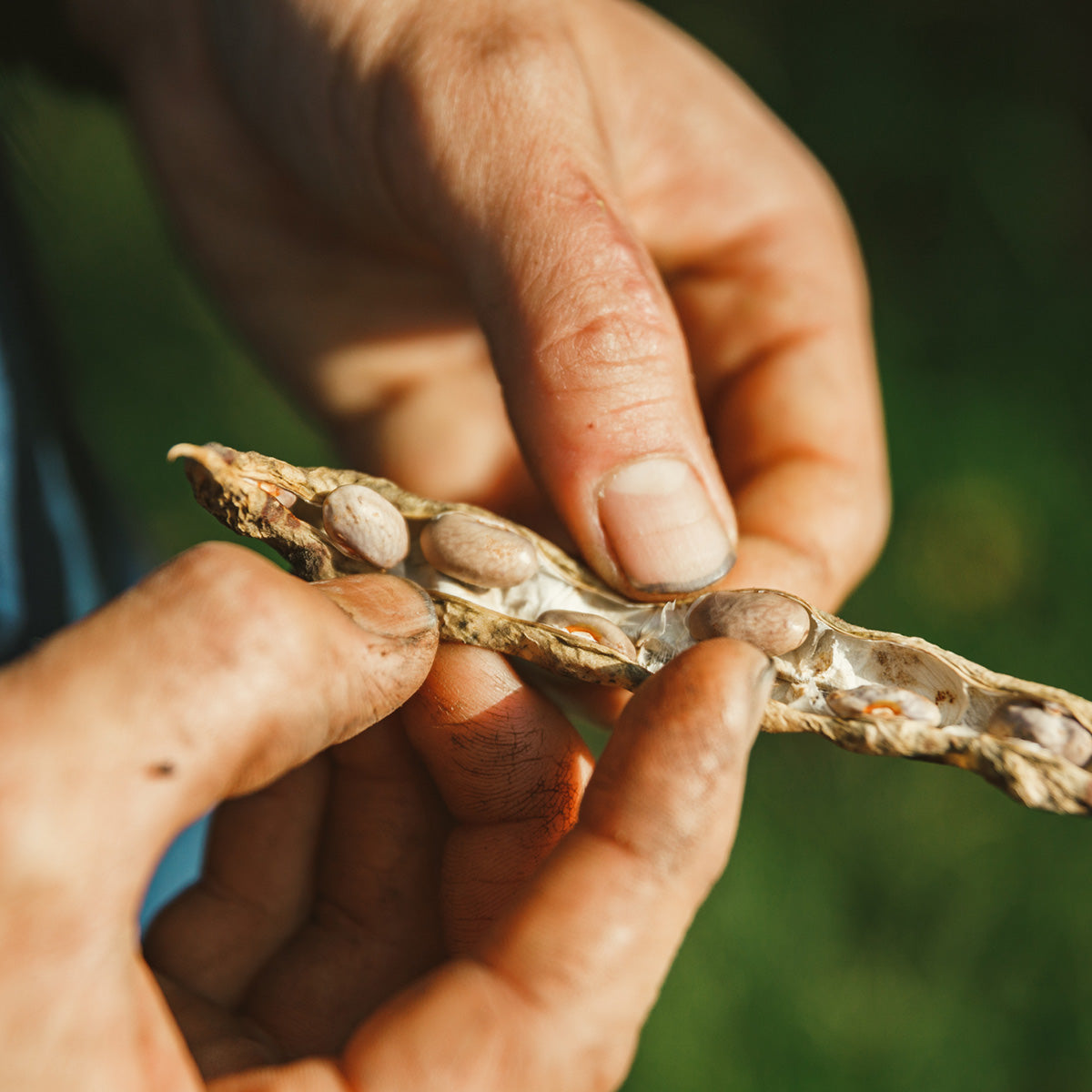
Home seed saving
Humans connect generations by bearing and raising children, but many plants, after producing offspring, drop their spent branches and leaves at their own feet. The remains of these branches and leaves nurture not only their own seeds but also the lives of seeds that have flown in. In other words, life circulates within the land. When people collect vegetable seeds and pass them on to the next generation, they are surrendering themselves to the eternal cycle of vegetable life. We practice this life-sustaining endeavor, a collaborative work between humans and vegetables..
